
Food Sanitation
Ensuring food safety through education and proper sanitation practices to protect.
Food Safety Education
Foodborne Illness
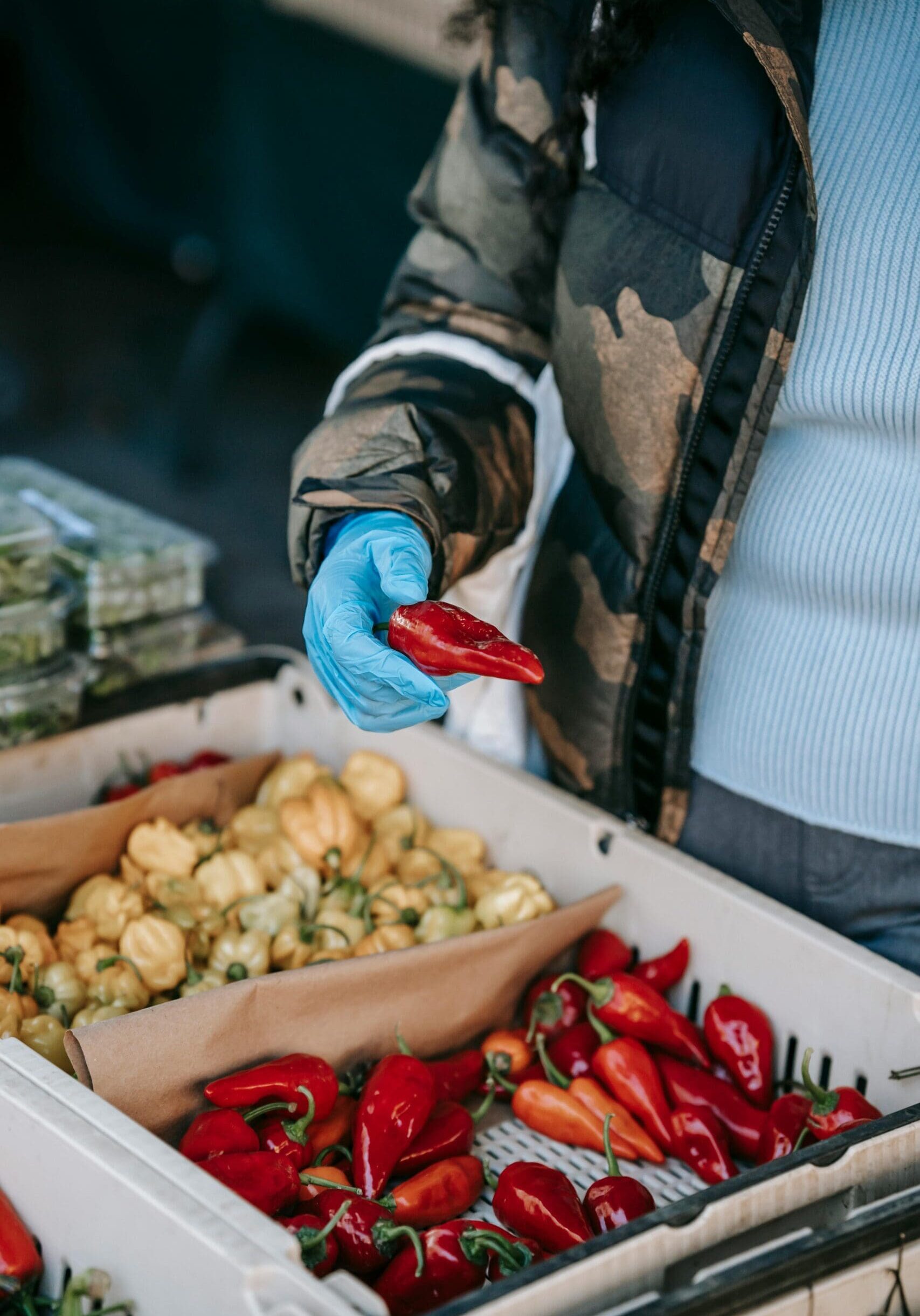
Four Steps to Handling Food Safety
Quick Tips for Your Health
Protect yourself and your family from food poisoning with these four simple steps: Clean, Separate, Cook, and Chill.
Clean: Wash Hands and Surfaces Often
- Wash hands for at least 20 seconds with soap and water before, during, and after food prep.
- Always wash hands after handling raw meat, poultry, seafood, or eggs.
- Clean utensils, cutting boards, and countertops with hot, soapy water after each use.
- Rinse fresh fruits and vegetables under running water before eating.
Separate: Avoid Cross-Contamination
- Keep raw meat, poultry, and seafood separate from other foods in your cart and fridge.
- Use separate cutting boards for raw meat and fresh produce.
- Store raw foods in sealed containers to avoid leaks and contamination.
Cook: Reach Safe Temperatures
- Use a food thermometer to ensure your food is cooked thoroughly:
- Beef, pork, lamb: 145°F (with a 3-minute rest time)
- Ground meats: 160°F
- Poultry (including ground chicken/turkey): 165°F
- Leftovers and casseroles: 165°F
- Check the chart for detailed temperature guidelines.
Report a Suspected Foodborne Illness
If you suspect foodborne illness, contact your healthcare provider.
To report symptoms, call 269-621-3143, Monday–Friday, 8 a.m.–5 p.m.
You may also submit a complaint form by email to food@vbcassdhd.org.